
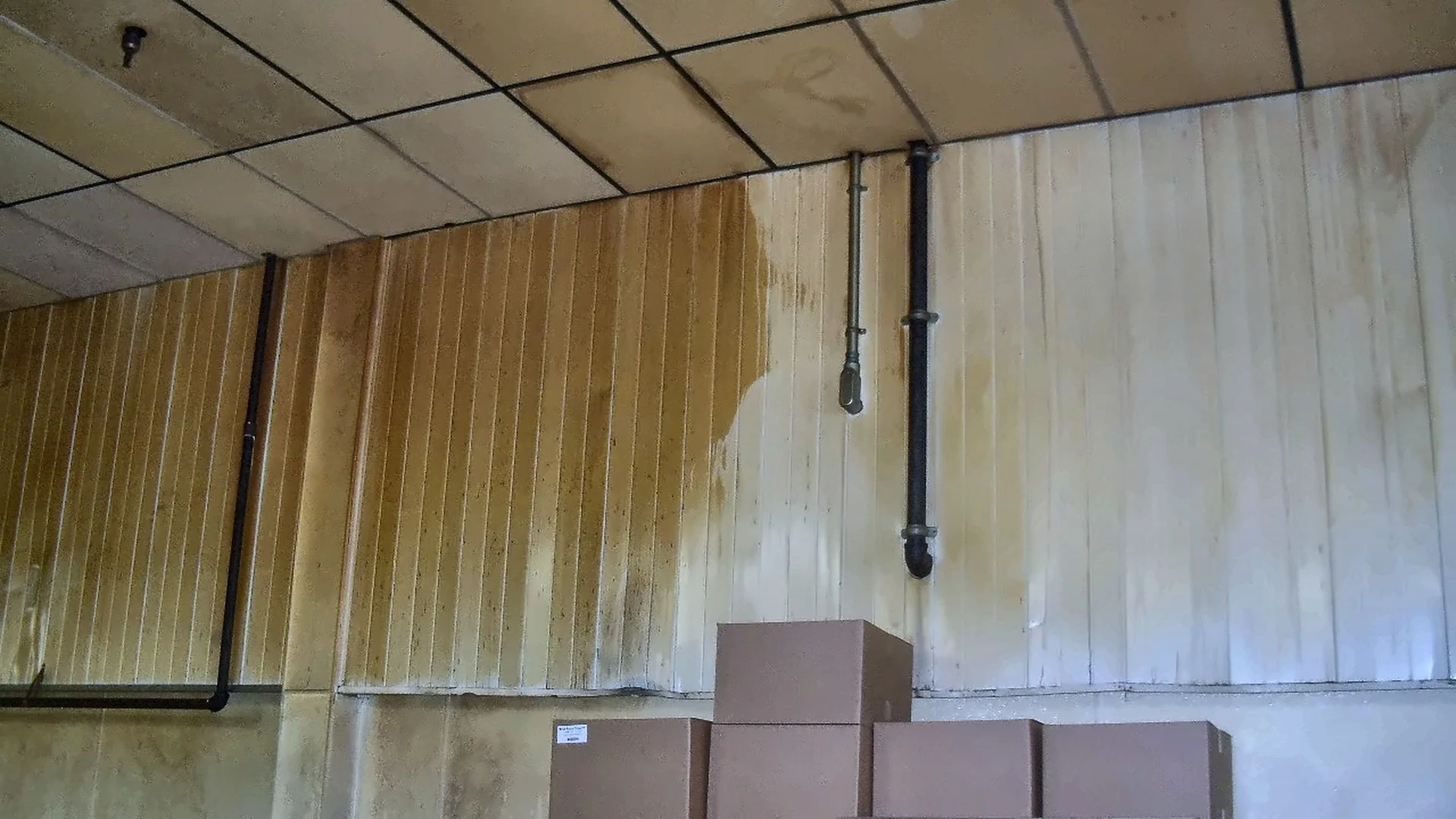
Storm Damage Restoration in McClellan Park
Trusted storm damage restoration in McClellan Park, CA. Licensed general contractor, free estimates, quality craftsmanship. Call (916) 259-7848.
Our technicians serve McClellan Park and are typically on-site within 60 minutes of your call.
When a winter storm rolls through the Sacramento Valley, McClellan Park takes it differently than the surrounding suburbs. The former Air Force base was redeveloped into a business and light-industrial park, which means a lot of the roofing here started life as hangar and warehouse coverage, not residential shingle. Storm damage restoration in this part of Sacramento County has to account for flat and low-slope systems, converted buildings, and the mix of commercial tenants and residential pockets that now share the same footprint.
Why McClellan Park Sees a Different Pattern of Storm Damage
Much of McClellan Park’s commercial stock is built on flat or low-pitch roofing originally designed for aircraft hangars and large-format warehouses. That roofing style handles sun and heat fine, but it ponds water during the atmospheric river storms that move through the Central Valley each winter, and sustained ponding is what eventually finds a membrane seam or a flashing detail and turns into an interior leak. Add in the wind gusts that come through flat, open terrain east of the American River, and you get a second failure mode: lifted edge flashing and torn roof membrane that isn’t always obvious from the ground. The valley’s clay-heavy soil doesn’t help either. When a storm drops a few inches in a short window, that soil swells and slows drainage around slab foundations, which is part of why we check crawlspaces and slab perimeters on every storm call out here, not just the roofline.
Our Storm Damage Restoration Process for McClellan Park Properties
We start with a roof and exterior assessment that’s built around the building type, because a converted hangar-style structure gets inspected differently than a stick-built residential roof. For flat or low-slope commercial roofs, that means checking membrane seams, drains, and scuppers for debris blockage before we even talk about patching. For wind-damaged siding and fascia on the residential side, we document lifted panels and exposed sheathing before any temporary repair goes up, since that documentation is what your adjuster will want to see. Once the property is weathertight with tarping or board-up, drying is coordinated with our licensed and certified restoration vendor, and we document where water reached so the file we hand off matches what your insurance carrier expects. Rebuild and reconstruction, whether it’s a torn-off section of membrane roofing or storm-wrecked siding, follows once materials are dry and the scope is locked in.
Insurance and Property Management Coordination
Because McClellan Park is home to a mix of commercial leaseholders, property management firms, and residential owners, storm claims here often route through more than one decision-maker. We’re used to working directly with facilities managers on commercial buildings who need a scope report fast to keep tenants operating, as well as with individual homeowners filing a standard residential claim. Either way, we photograph and document damage before repairs start, which keeps the claim process moving instead of stalling on missing evidence.
Reaching McClellan Park
We run out of Sacramento, and McClellan Park sits close enough along the Watt Avenue and Business 80 corridor that staging crews and equipment here doesn’t require the lead time some outlying communities do. We’re set up for 24/7 calls, so if a storm knocks a section of roofing loose overnight or a wind gust peels back siding before a weekend system clears, you’re not waiting until Monday to get someone out to tarp it.
Local Note
A lot of McClellan Park’s older commercial buildings still carry drainage infrastructure sized for the base’s original use, not for the tenant mix that occupies the space today. That means roof drains and site drainage can be undersized for how the building is actually used now, so after a heavy storm we check those drain lines for backup before we close out a job, since a clogged or undersized drain will reintroduce water to a roof we’ve already dried.
If a recent storm has left you with a damaged roof, torn siding, or water finding its way into a McClellan Park property, call TDI® at (916) 259-7848. We’ll get eyes on the damage, stabilize the building, and walk you through the repair or rebuild scope before the next system rolls through the valley.
Serving McClellan Park — ★ 5.0 · 9 Google reviews
“Called in to ask questions about a remodel of my kitchen and the women I spoke with I think her name was Alex was fantastic and gave so much info. I hope for a great working relationship with TDI® this year.” — Rachel, April 2026
Storm Damage Restoration in McClellan Park: Service Coverage
Frequently Asked Questions
How fast can you arrive for storm damage restoration in McClellan Park?
How quickly can TDI® respond to storm damage in McClellan Park?
Are McClellan Park's converted commercial buildings more prone to storm damage than typical residential roofs?
Do you work with property managers as well as individual homeowners in McClellan Park?
What happens after wind-driven rain gets inside a building?
Does McClellan Park's older drainage infrastructure affect storm repair timelines?
Will my homeowners insurance cover storm damage restoration in McClellan Park?
Storm Damage Restoration response in McClellan Park
Most McClellan Park calls see a technician on-site within 60 minutes of your call.